
Music Therapy that Connects Beyond Words!
“Music…breaks through the frustration of language and unites us.” - Bishop Richard Holloway -
What is Music Therapy?
Music therapy is a therapeutic approach that utilizes music as the primary non-verbal intervention. It predominantly employs improvised music to address the psychological, emotional, cognitive, physical, communicative, or social needs of individuals across all ages and abilities.
Music therapy integrates musical elements such as rhythm, melody, and harmony with specific therapeutic objectives. This modality is distinctive in its capacity to facilitate self-awareness, self-expression, and communication, which may contribute to improved functioning. A qualified music therapist employs clinical, music-based interventions to assist individuals in communicating and expressing their emotions.
Why Music
- Because it’s not always easy to say how we feel using words
- Music may be able to help children/patients to express themselves through the melodies, tune, and rhythms in their own way and at their own pace
What are the aims of music therapy
- The primary objectives of music therapy are non-musical in nature and are tailored to address the specific needs of each individual.
- Enhance communication abilities and foster interpersonal interactions
- Promote self-awareness and awareness of others
- Offer emotional support and improve overall quality of life
- Facilitate the development of physical, sensory, and cognitive skills
- Support the development of coordination and motor control
- Enhance self-confidence, self-esteem, and motivation
- Promote emotional awareness, regulation, and expression
- Reduce tension, anxiety, and challenging behaviors
Music therapy contributes to the overall development of children and patients, enabling them to reach their full potential across various settings.
Who benefits from Music Therapy?
- Children and young people with additional needs or developmental differences
- Adults experiencing anxiety, stress, or mental health challenges
- Older adults with dementia or memory support needs
- Communities within schools, care settings, hospices, hospitals, and local organizations
No prior musical experience is required. Music therapy is flexible and responsive, adapting to each individual's goals and circumstances. It contributes to the overall development of children and patients, supporting them in reaching their full potential across diverse settings.
Music therapy can help in areas including:
- Autistic Spectrum Disorder
- Communication needs, including speech and language delay or selective mutism
- Mental Health Needs (such as trauma, anxiety, depression, or low mood)
- Cognitive / Learning Disabilities
- Sensory and Physical Impairments
- Neurological conditions
- Emotional and behavioral difficulties
- Terminal Illness
- Dementia
What happens in a music therapy session?
Music is a powerful emotional medium that can touch everyone, regardless of the nature of the disability or illness. In music therapy, there is time to explore, play, sing, write songs, move, and listen to music with the support of a music therapist. It is an active, interactive, and process-oriented therapy that is spontaneously created by the child/patient, with no musical training or experience required.
Where do the referrals come from?
Anyone can refer a child/a relative/a patient for music therapy. An assessment period normally lasts between 6 and 8 weeks and may include some observation time in the child’s/patient’s residential home/unit.
Referrals for music therapy are also made by:
- School teacher
- Special Needs Educator
- Care Worker
- Parents/Relatives
- Self-referral
- Other relevant professionals (Nurses, doctors, psychologists, speech therapists, occupational therapists, physical therapists, etc.)
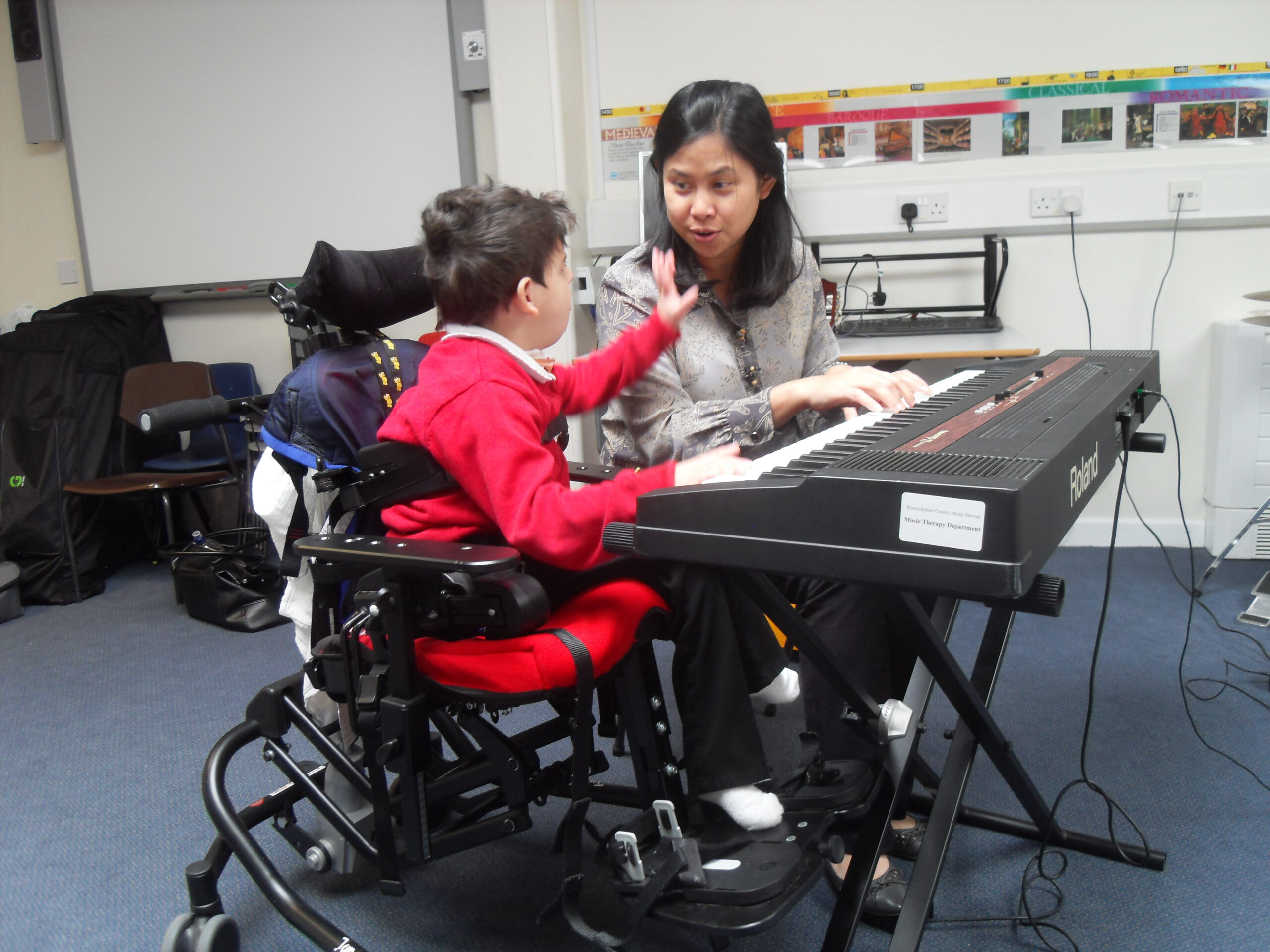
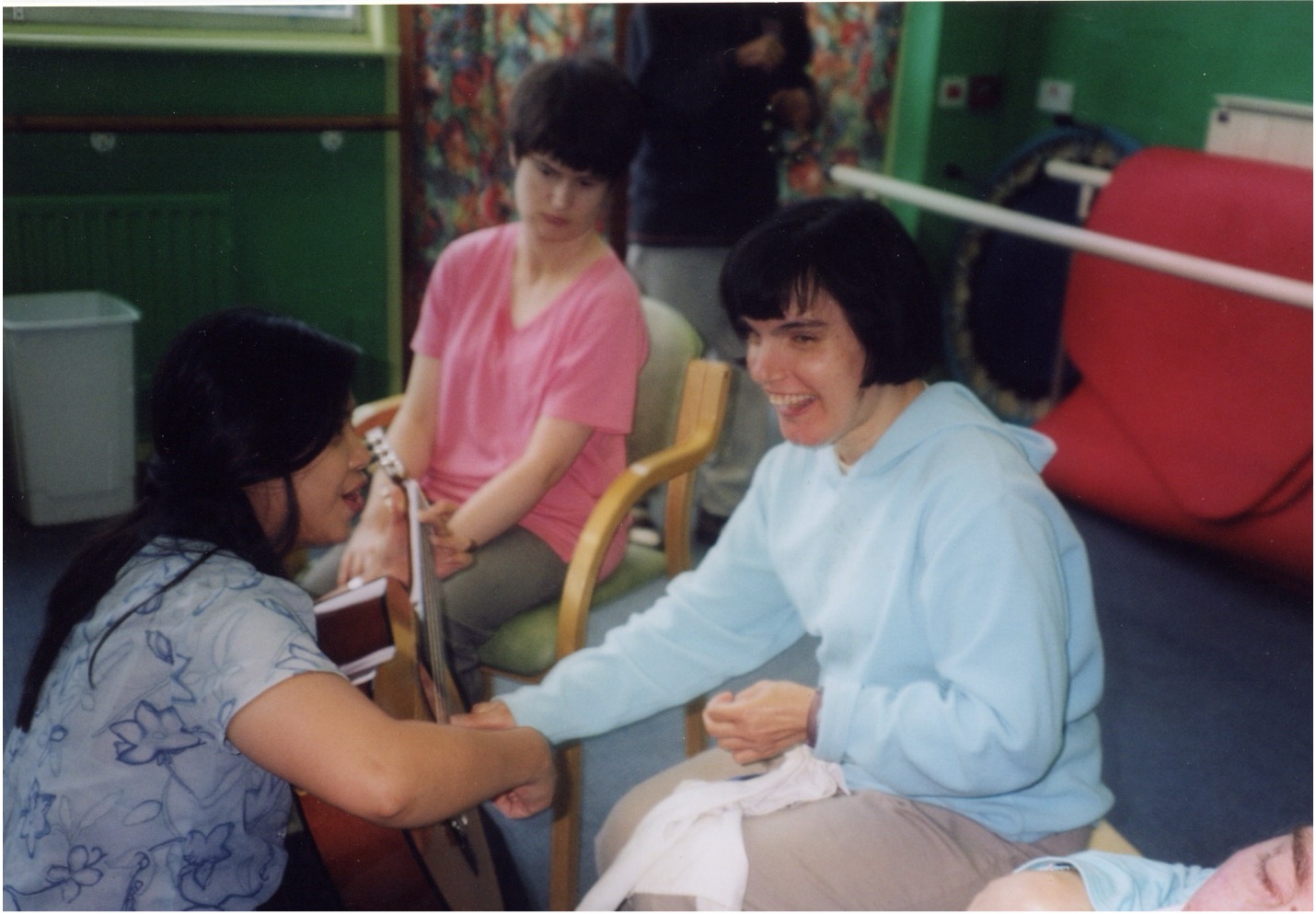
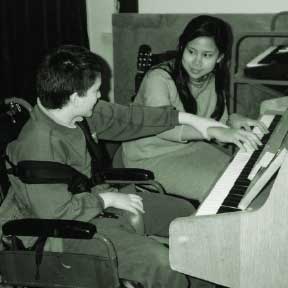
"There is a ‘music child’ inside, no matter what the disability or limitation” - Paul Nordoff and Clive Robbins
Music therapy at Heartland Music Therapy Services is led by Music Therapists who use music intentionally and therapeutically to support individual goals. Sessions are carefully tailored to each person’s needs and circumstances. Unlike music lessons or recreational music activities, music therapy is a structured, goal-focused therapeutic approach. The focus is not on learning musical skills or performance, but on using music as a tool to support wellbeing, communication, and development. Music therapy can make a meaningful impact on everyday life, helping children, adults, and communities engage, express, and develop in ways that matter to them.
Our Services
We provide Music Therapy and Group Music Therapy services to people of all ages and needs.
Individual Music Therapy Service
- Music Therapy Screening
- Music Therapy Assessment
- Music Therapy Ongoing Session


If you have any questions please feel free to Contact Us.
We would be happy to answer any questions you might have.